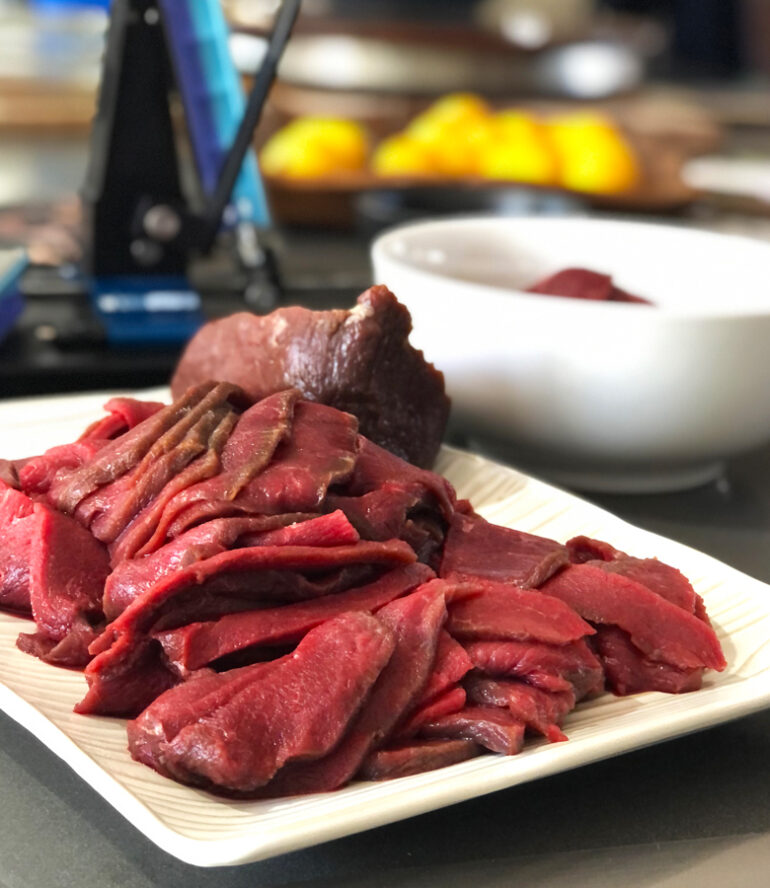
Homemade Venison Jerky – Sweet and Sticky
I can’t get enough of jerky—especially homemade venison jerky. There’s something about that sweet, chewy, flavor-packed bite that keeps me coming back for more.
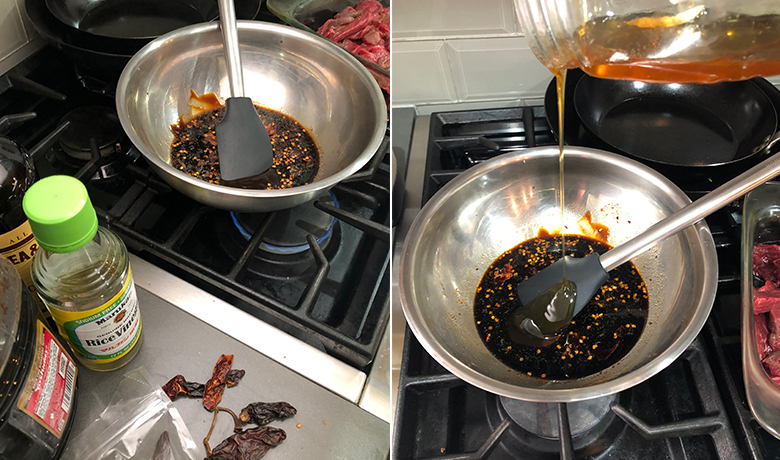
One of my all-time favorite homemade venison jerky recipes is simple but bold: a blend of soy sauce, teriyaki sauce, hoisin sauce, Worcestershire, a splash of rice vinegar, honey, granulated garlic, and a generous amount of crushed red pepper flakes. It’s sweet, sticky, and packs a little heat. If you prefer a milder jerky, you can omit the pepper flakes entirely.
Combine all the ingredients in a saucepan over low heat, stirring until blended. Remove from heat and let cool before pouring over your sliced game meat. Marinate for at least 24 hours if you can resist sampling early!
Transform those marinated slices into jerky using a dehydrator set to 140°F for about five hours, checking periodically for the perfect firm texture with a little chew in every bite. The aroma alone makes it impossible not to taste-test every hour.
This marinade works perfectly on venison, but I’ve also had amazing results with elk and pronghorn antelope. Every batch of homemade venison jerky has been a hit and disappears almost as fast as it took to make!
A quick note: all dehydrators vary, so times may need adjusting. You can also make jerky in the oven, just watch the temperature and keep an eye on the texture. I have more details below: Oven vs. Dehydrator: Jerky Tips for Homemade Venison Jerky.
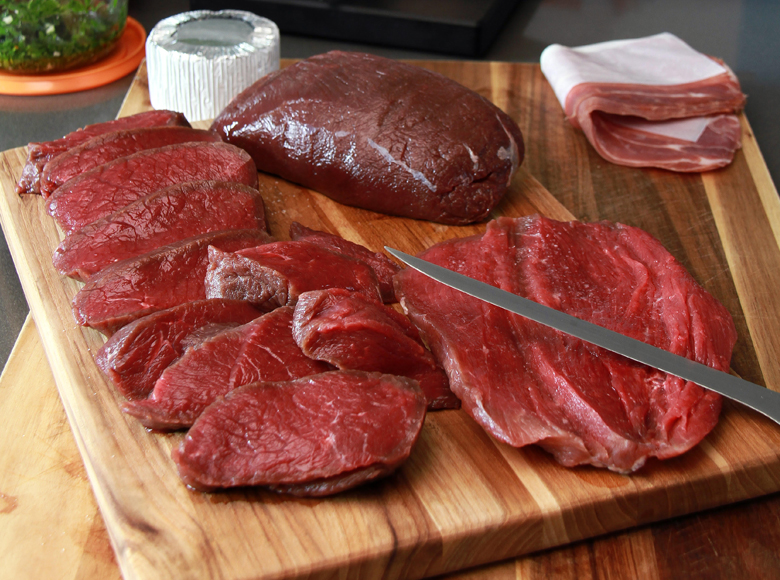
Best Cuts of Wild Game for Making Homemade Jerky
When it comes to making the best wild game jerky, I always reach for the lean cuts from the hindquarters. These cuts, like top round, bottom round, and sirloin, have minimal fat and a consistent grain, which makes slicing a breeze and gives you that perfect chewy texture. You can certainly use cuts from the front shoulders, and they’ll still make great jerky, but there’s something about the flavor and tenderness from the hindquarters that really takes it to the next level. Choosing the right cut makes all the difference, and it’s worth spending a little extra time trimming and slicing to get those bite-sized strips just right.
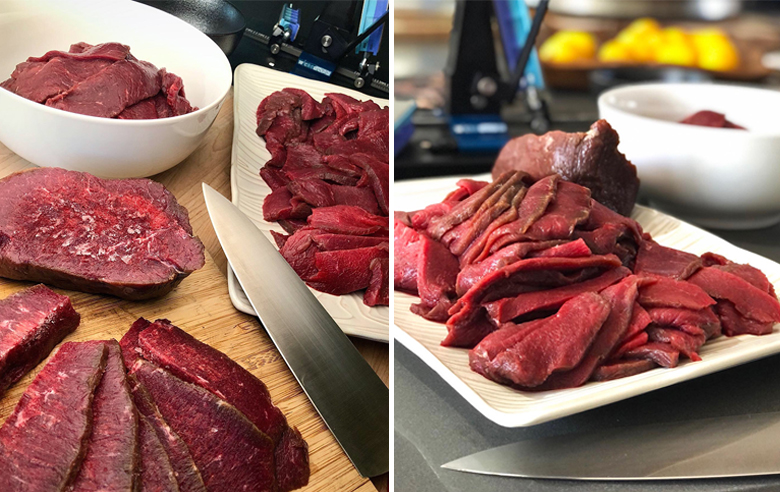
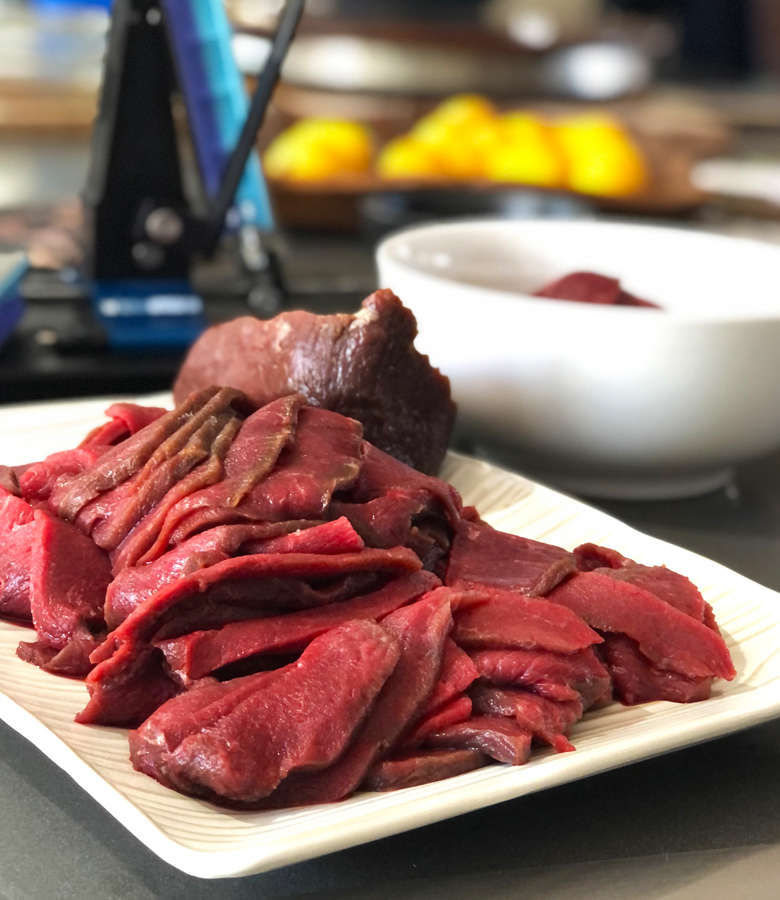
One of the best tricks for making perfect homemade venison jerky is to slice the meat while it’s still slightly frozen. Chilling the meat firms it up, making it much easier to cut consistent, even strips without tearing. This is especially helpful for lean cuts like top round or sirloin from the hindquarters, giving you uniform pieces that dry evenly and cook consistently.
Tips for slicing semi-frozen meat:
- Remove the meat from the freezer and let it sit for 15–20 minutes until it’s firm but not rock solid.
- Use a sharp knife and cut against the grain for a more tender bite, or with the grain if you prefer chewier jerky.
- Keep the slices roughly the same thickness—around 1/8 to 1/4 inch works well for consistent drying.
- Work in small batches so the meat stays cold while slicing, which helps maintain texture and prevents sticking.
Store your cooled jerky in airtight containers; it keeps for several weeks, or freeze for longer storage. Experiment with thickness, seasoning, and spice levels until you find your perfect batch.
Slice the wild game meat into thin, even strips. Slice against the grain for a more tender jerky or with the grain for a chewier texture.
Add all marinade ingredients to a saucepan and heat over low heat, stirring until well combined. Remove from heat and allow the marinade to cool completely.
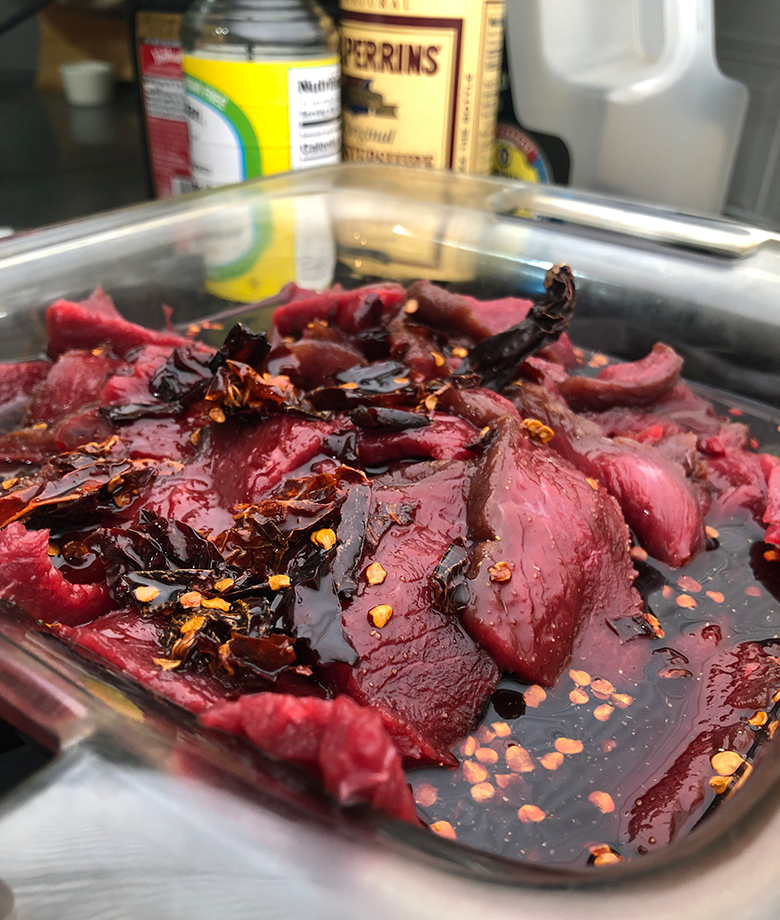
Pour the cooled marinade over the sliced meat, making sure all pieces are well coated. Cover and marinate for at least 24 hours, if you can wait that long.
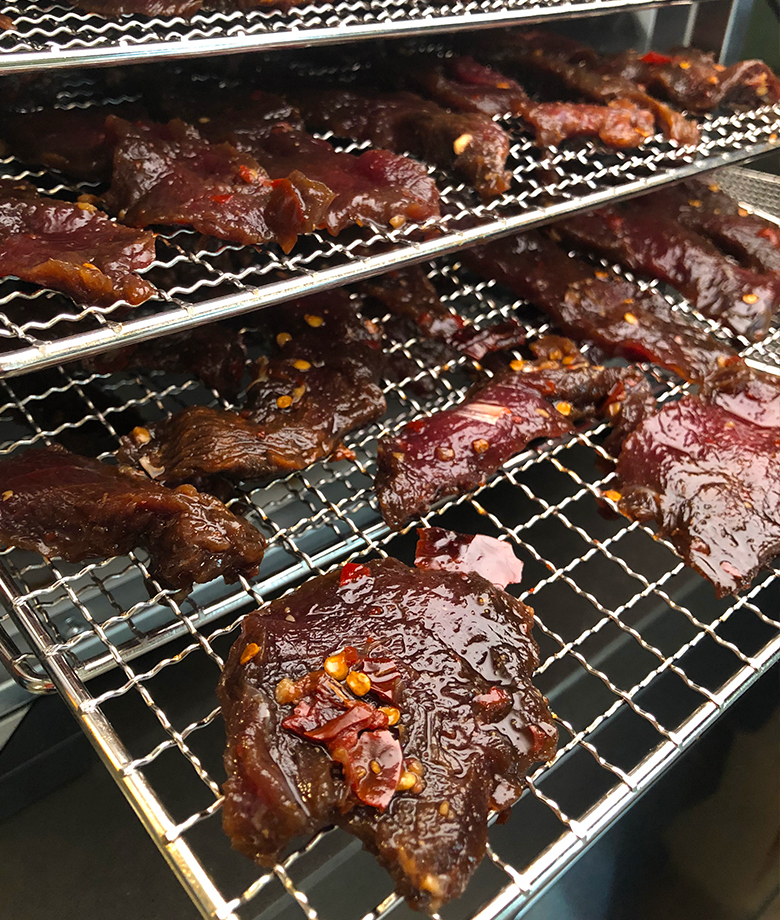
Before dehydrating, drain the meat thoroughly from the marinade. Arrange slices in a single layer and proceed with dehydrating or oven-drying according to your preferred method.
Oven vs. Dehydrator: Jerky Tips for Homemade Venison Jerky
Using a Dehydrator:
- Dehydrators are ideal for consistent low-temperature drying, usually around 140°F.
- Spread slices evenly on the trays so air can circulate and cook the jerky evenly.
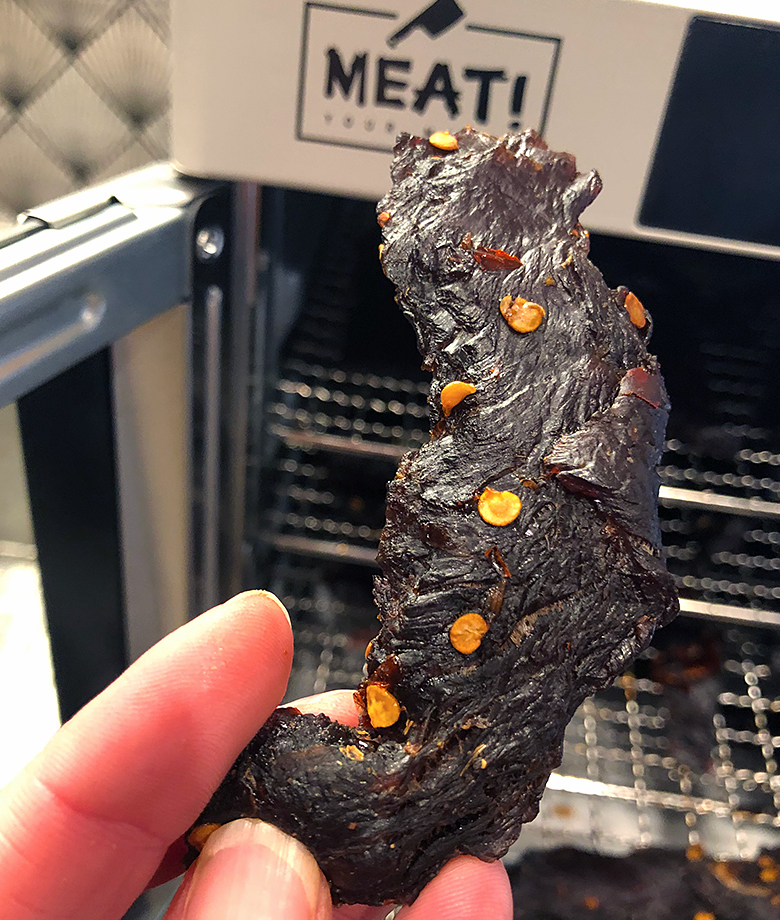
- Check the jerky periodically to reach a firm texture with a slight chew—typically 4–6 hours depending on thickness and moisture content.
- Marinating the meat ahead of time helps lock in flavor and tenderness.
Using an Oven:
- Set your oven to its lowest temperature, ideally 160–170°F, and prop the door slightly open to allow moisture to escape.
- Use a wire rack over a baking sheet to let air circulate around the meat for even drying.
- Thinner slices dry faster; thicker slices may need more time. Rotate the racks occasionally for uniform results.
- Keep a close eye on the jerky, as ovens vary in heat, and remove when it’s firm but still pliable.
A Homemade Venison Jerky Marinade You Can Make Your Own
This venison jerky marinade is just one of many ways to flavor wild game, and it’s incredibly adaptable. I love how easy it is to tweak the ingredients to match your taste—add more honey for sweetness, swap herbs, or adjust the spice level to your liking. I don’t usually add extra salt because, personally, I get plenty of saltiness from the wet ingredients like soy sauce, hoisin, and teriyaki sauce. That makes it simple to keep the flavors balanced while still packing a punch of sweet, smoky, and spicy goodness into every bite.
Homemade Venison Jerky Marinade
Ingredients
- 3-4 lbs wild game meat, thinly sliced
- 1 cup low sodium soy sauce
- 1/2 cup Mr. Yoshida's teriyaki marinade, (or other teriyaki sauce)
- 1/4 cup hoison sauce
- 4 tbsp honey
- 2 tbsp crushed red pepper flakes (optional; adjust to taste)
- 1 tbsp rice vinegar
- 1 tbsp worcestershire sauce
- 1 tbsp granulated garlic powder
Instructions
- Slice the wild game meat into thin, even strips. Slice against the grain for a more tender jerky or with the grain for a chewier texture.
- Add all marinade ingredients to a saucepan and heat over low heat, stirring until well combined. Remove from heat and allow the marinade to cool completely.
- Pour the cooled marinade over the sliced meat, making sure all pieces are well coated. Cover and marinate for at least 24 hours, if you can wait that long.
- Before dehydrating, drain the meat thoroughly from the marinade. Arrange slices in a single layer and proceed with dehydrating or oven-drying according to your preferred method.
- Dehydrator Instructions: Arrange the marinated and drained meat strips in a single layer on dehydrator trays, making sure they do not overlap. Set the dehydrator to 140°F and dry for 4–6 hours, rotating trays if needed.
- The jerky is done when it is dry, firm, and bends without breaking, with a slight chew in the center. Allow the jerky to cool completely before storing.
Oven Instructions
- Preheat the oven to its lowest setting, ideally 160–170°F. Place the marinated and drained meat strips on a wire rack set over a baking sheet to allow air circulation.
- Prop the oven door open slightly to let moisture escape and dry the jerky for 4–6 hours, flipping the strips halfway through. Jerky should be firm but still pliable when finished.
- Remove from the oven and allow to cool completely before storing.
Notes
- Remove the meat from the freezer and let it sit for 15–20 minutes until it’s firm but not rock solid.
- Use a sharp knife and cut against the grain for a more tender bite, or with the grain if you prefer chewier jerky.
- Keep the slices roughly the same thickness—around 1/8 to 1/4 inch works well for consistent drying.
- Work in small batches so the meat stays cold while slicing, which helps maintain texture and prevents sticking.
A Sweet & Sticky Marinade for Any Wild Game
This sweet and sticky jerky marinade isn’t just for venison—it works beautifully with a wide variety of wild game meats. I’ve used it on elk, pronghorn antelope, and other lean game cuts with consistently great results. The balance of sweet, savory, and smoky heat complements the natural flavor of wild game without overpowering it, making this an easy go-to marinade no matter what’s in your freezer. It’s the kind of recipe you can rely on season after season, adapting it slightly while still delivering bold, crave-worthy jerky every time.
If you love cooking wild game as much as I do, be sure to check out more venison, elk, antelope, and wild game recipes for inspiration from field to table.