Antelope Backstrap with Gremolata: Simple, Flavorful, and Elegant
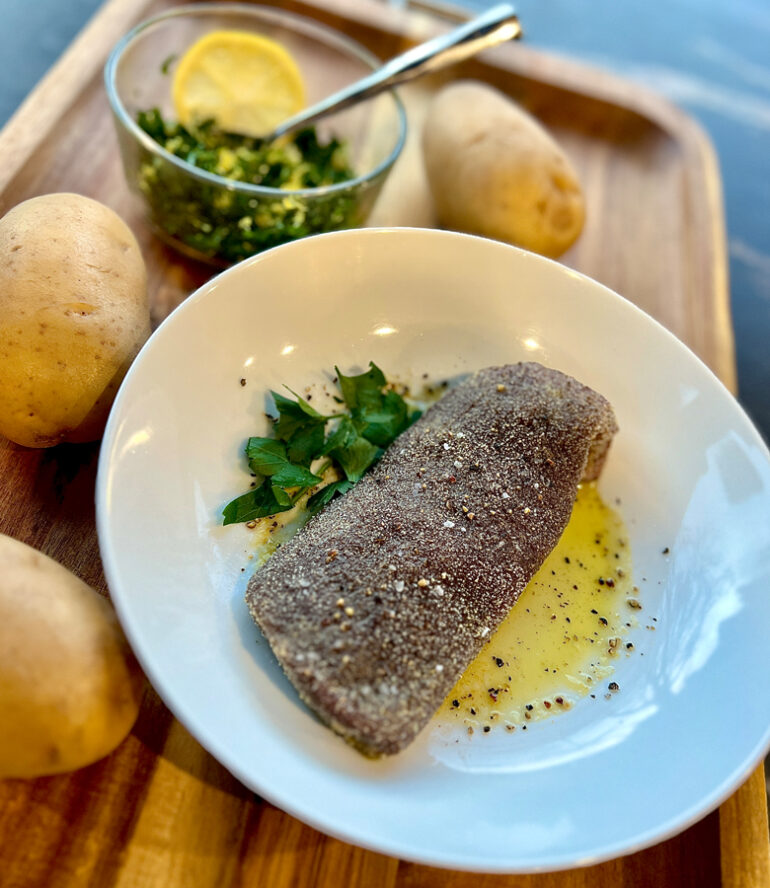
Sometimes the struggle is real. With so many ways to cook antelope backstrap, deciding what to make can be the hardest part. For this recipe, I went back to basics—keeping it simple with what I already had on hand: a skillet-seared antelope backstrap topped with a bright, zesty gremolata, served alongside baked potatoes and a crisp green salad.
Simple ingredients. Honest flavors. A meal that proves that less really can be more.
What is Gremolata and Why It Works with Seared Meat
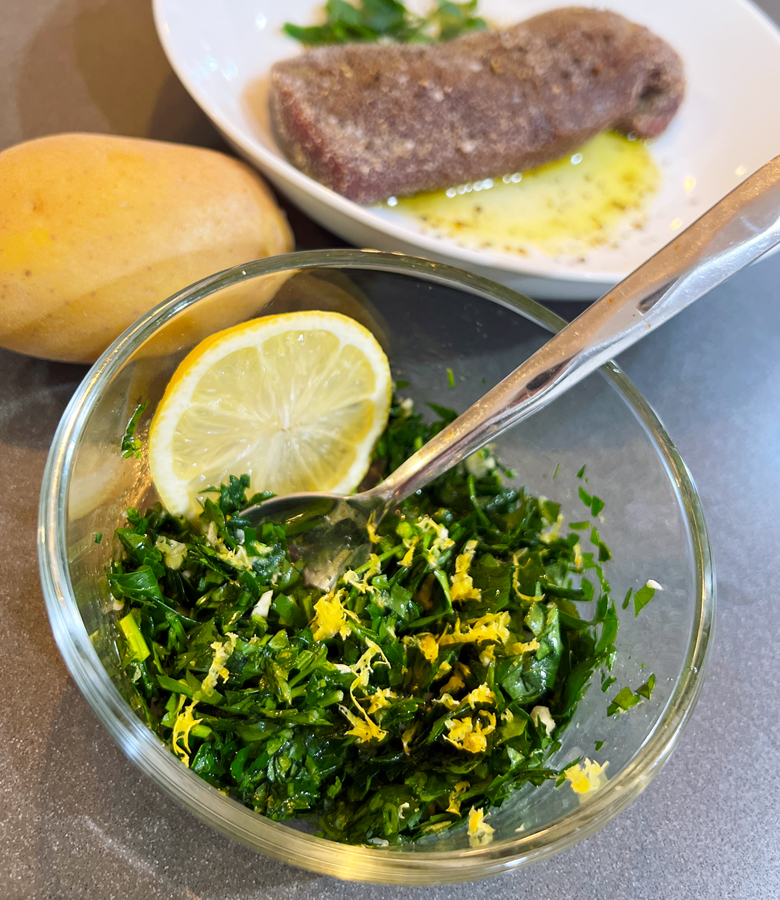
Gremolata is a classic Italian condiment made from fresh parsley, garlic, and lemon zest, sometimes with a touch of olive oil. Its bright, fresh flavors cut through the richness of seared meats, adding zesty freshness and aromatic depth without overpowering the natural flavor of the antelope. On lean wild game like backstrap, gremolata adds a pop of color, a burst of flavor, and a subtle lift that makes every bite more vibrant.
Gremolata Instructions for Serving with Seared Antelope Backstrap
Finely chop the parsley by hand. In a bowl, combine parsley, minced garlic, lemon zest, lemon juice, olive oil, red pepper flakes (if using), salt, and pepper. Mix well and adjust seasoning to taste.
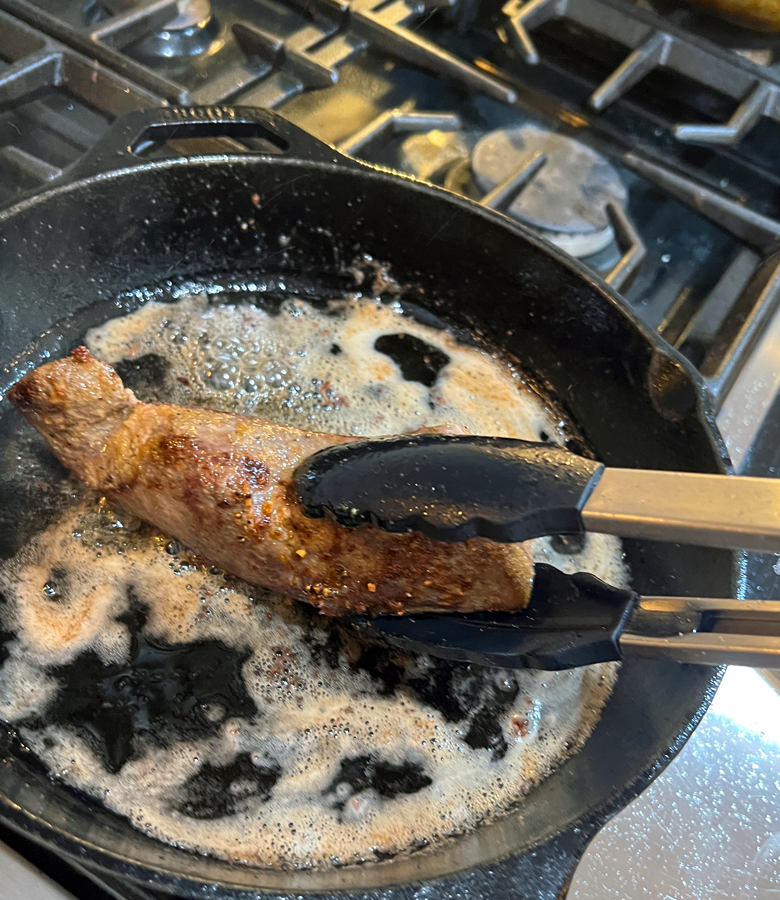
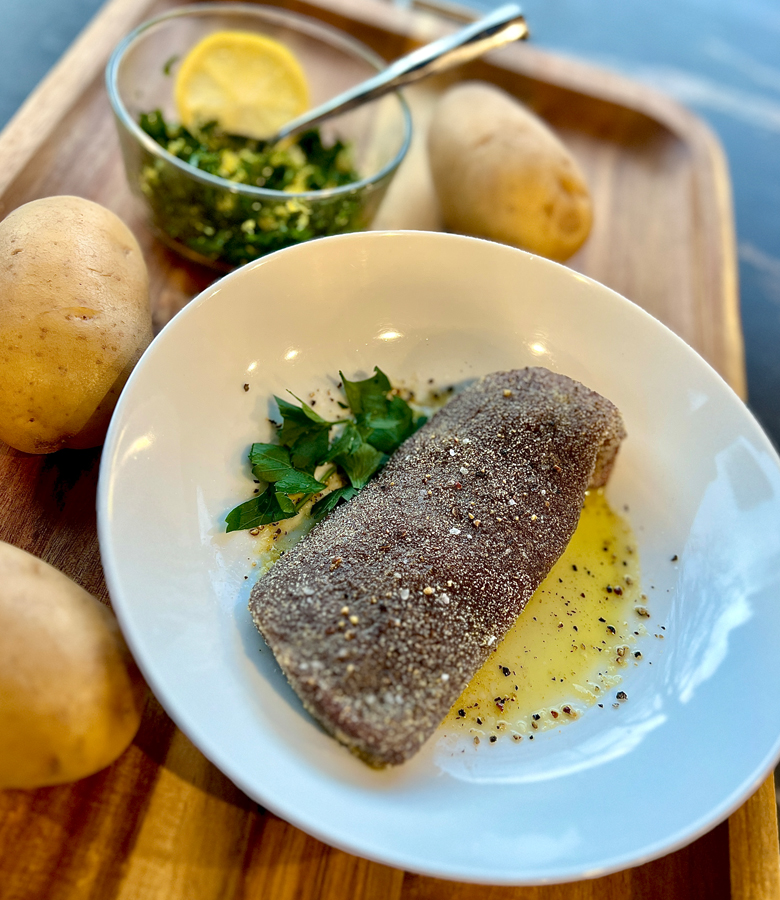
Rub the antelope backstrap with 1 tablespoon olive oil. Season evenly with salt, pepper, garlic powder, and onion powder.
Heat a cast iron skillet over medium heat. Once hot, add the remaining olive oil, butter, and crushed garlic cloves.
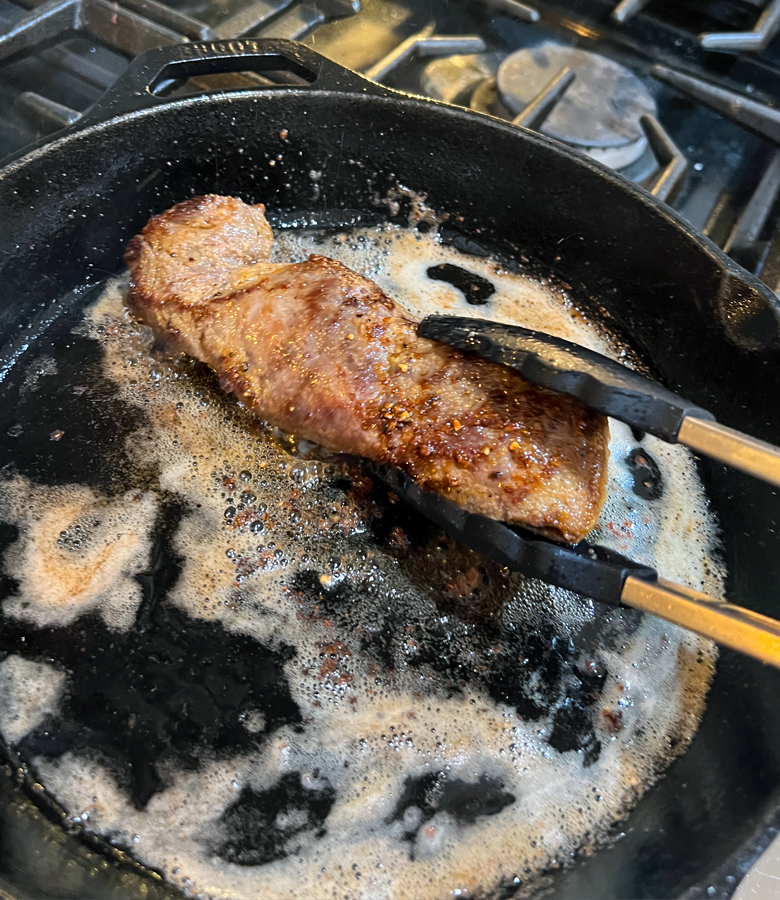
Sear the antelope backstrap on all sides and ends for 60–90 seconds per side, creating a well-browned crust.
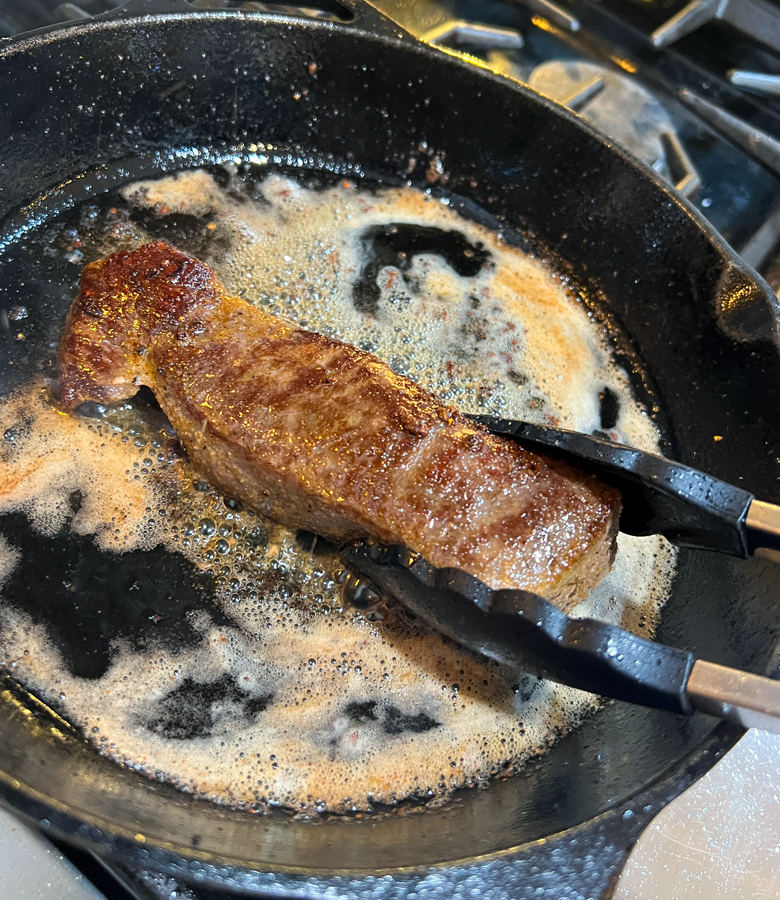
Remove the backstrap from the skillet and let rest for 10 minutes to retain juices.
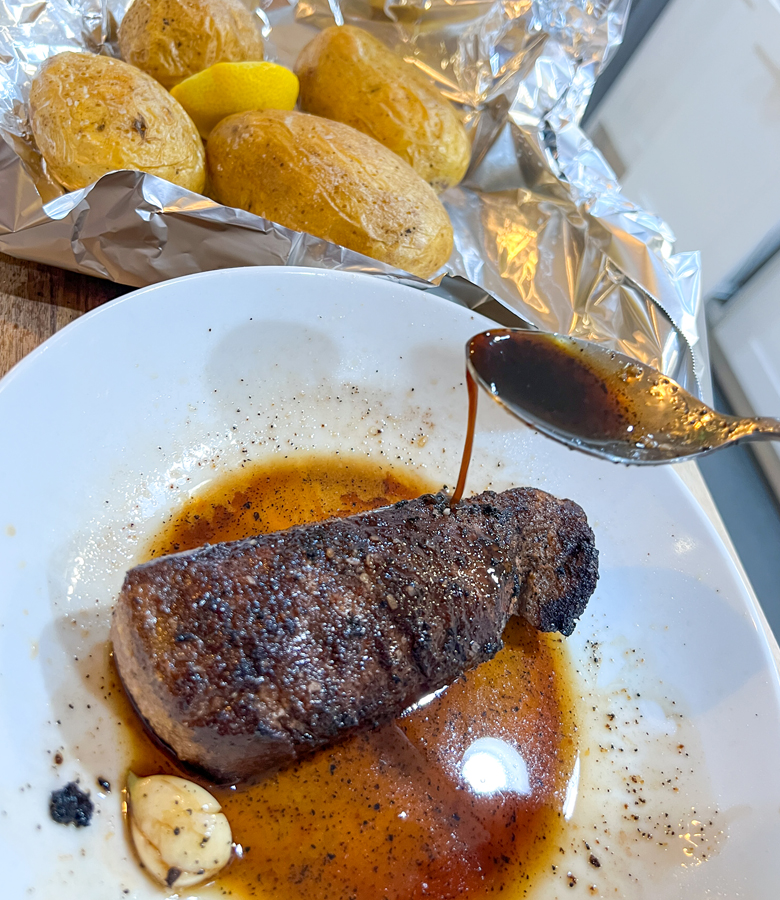
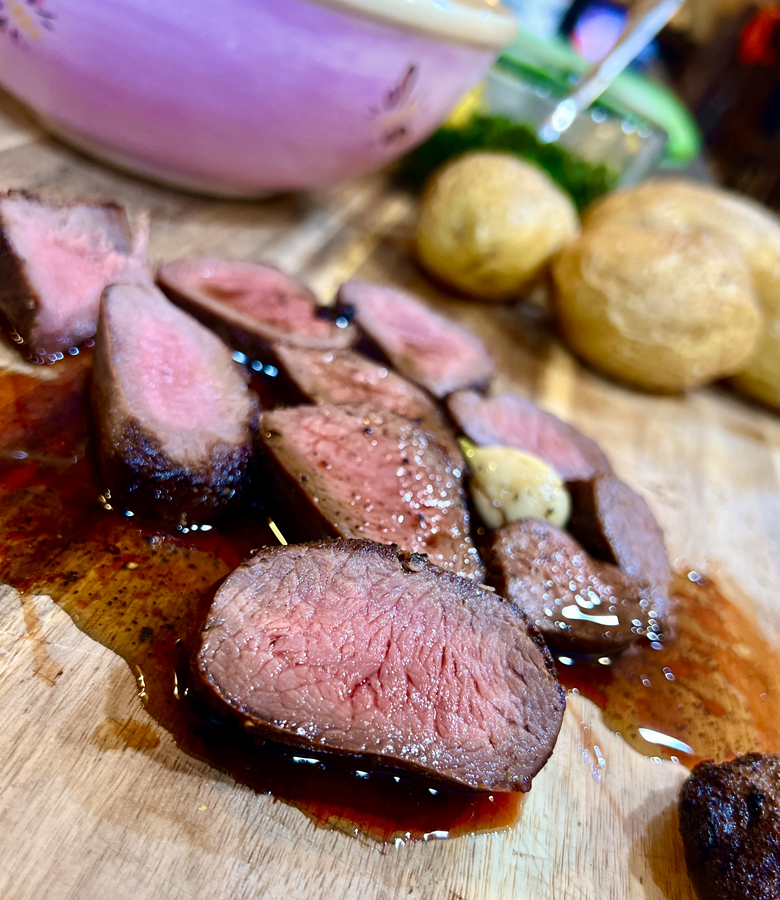
Slice the backstrap on a diagonal. Garnish generously with gremolata and serve with baked potatoes and a crisp green salad.
Antelope Backstrap Recipe Tips
- Use a meat thermometer if you’re unsure when to remove the backstrap from the skillet. For best results, pull the meat at 120–125°F for rare to medium-rare and let it rest before slicing.
- Don’t overcook: Antelope backstrap is very lean and cooks quickly. Searing hot and fast keeps it tender and juicy.
- Let it rest: Allowing the backstrap to rest for 10 minutes helps the juices redistribute for better texture.
- Substitute other wild game: Elk backstrap or venison backstrap can be used in this recipe, but cooking times may vary depending on thickness and species. Always cook to temperature rather than time.
Easy Antelope Backstrap with Gremolata
Ingredients
Antelope Backstrap
- 1 antelope backstrap cut (6–8 inches long)
- 2 tbsp olive oil, divided
- 1 tsp kosher salt
- 1 tsp coarse black pepper
- 1/2 tsp granulated garlic powder
- 1/2 tsp onion powder
- 2 tbsp unsalted butter
- 1-2 garlic cloves, lightly crushed
Gremolata
- 1 bunch flat-leaf parsley, finely chopped
- 1 tsp zest of a lemon
- 1-2 tbsp fresh lemon juice
- 1-2 garlic cloves, minced
- 1 tbsp olive oil
- 1/2 tsp red pepper flakes, optional
- Salt and black pepper, to taste
Instructions
- Rub the antelope backstrap with 1 tablespoon olive oil. Season evenly with salt, pepper, garlic powder, and onion powder.
- Heat a cast iron skillet over medium heat. Once hot, add the remaining olive oil, butter, and crushed garlic cloves.
- Sear the antelope backstrap on all sides and ends for 60–90 seconds per side, creating a well-browned crust.
- Remove the backstrap from the skillet and let rest for 10 minutes to retain juices.
- Slice the backstrap on a diagonal. Garnish generously with gremolata and serve with baked potatoes and a crisp green salad.
Gremolata Instructions
- Finely chop the parsley by hand.
- In a bowl, combine parsley, minced garlic, lemon zest, lemon juice, olive oil, red pepper flakes (if using), salt, and pepper.
- Mix well and adjust seasoning to taste.
Notes
- Use a meat thermometer if unsure—remove backstrap at 120–125°F and let rest before slicing.
- Sear hot and fast to avoid overcooking lean antelope backstrap.
- Elk or venison backstrap can be used, but cooking times may vary—cook to temperature, not time.
If you’re loving these easy, flavorful antelope recipes, you’ll find even more inspiration in my Wild Game Cookbook. It’s packed with approachable, from-the-field-to-the-table recipes that make cooking wild game feel simple and rewarding—whether you’re working with antelope, elk, venison, or wild birds. Each recipe focuses on honest ingredients, clear techniques, and bold flavors that let the meat shine, so you can confidently turn your harvest into memorable meals every time.